-
-
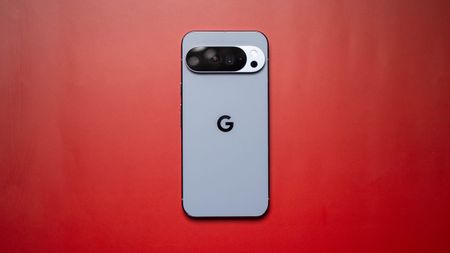 This is the wayiPhone user? This Prime Day Pixel deal will convince you to switch to Android
 -
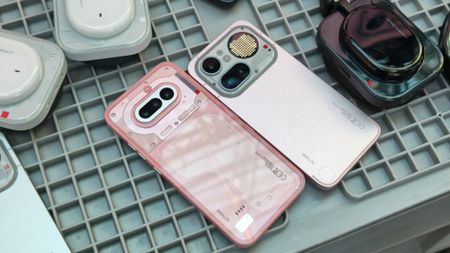 *insert Shakespeare line here*Nothing casually made a new phone: Phone 4b sketch teaser precedes a July reveal
 -
 5.0Samsung's UFS 5.0 sets the tone for snappy AI on phones, aims for Q4 production
 -
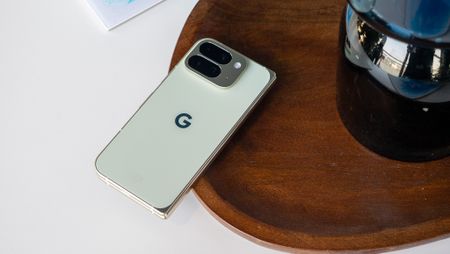 Foldable savingsWhy wait for the iPhone Fold? This Pixel foldable survives rain and just got a massive $400 discount during Prime Day
 -
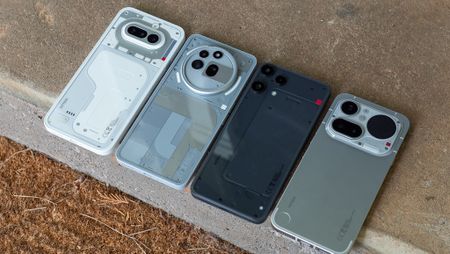 Nothing but dealsSwitching from iPhone just got easier as the Nothing Phone 4a Pro just hit its lowest price ever with this anti-Prime Day deal
 -
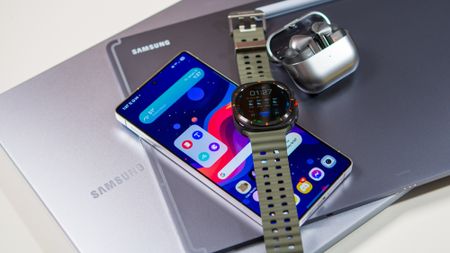 Beat the crowdsPrime Day Samsung Galaxy deals — record-smashing S26 discounts, SSD savings, and so much more
 -
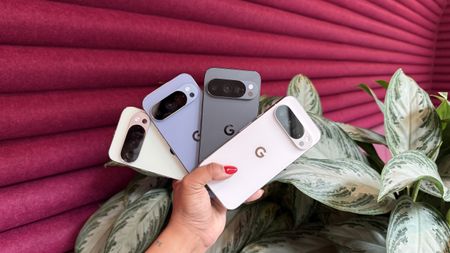 Deals todayPrime Day Google Pixel deals 2026 — score up to $300 off Pixel 10, Pixel Watch, and more
-


-
-
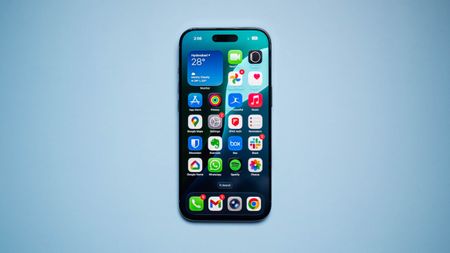 Siri x GeminiSiri's biggest upgrade in years comes with help from Gemini
 -
 Hold on, AppleApple reveals WWDC 26 in the shadow of Google I/O
 -
 Leadership changeApple's Tim Cook is stepping down as CEO later this year — here's the Apple veteran next up
 -
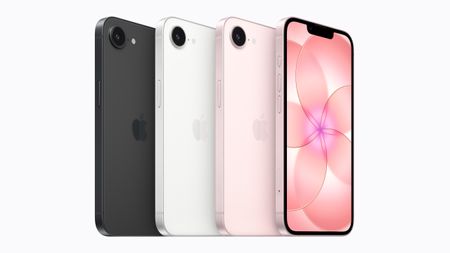 How To4 Android phones you should buy instead of the iPhone 17e
 -
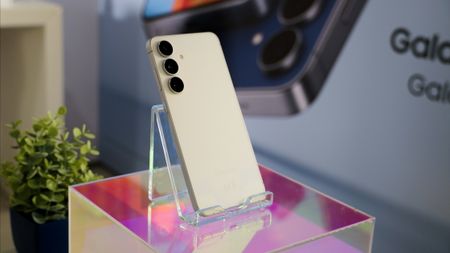 iPhone vs. GalaxyiPhone 17e vs. Samsung Galaxy S25 FE: Simplicity or versatility?
 -
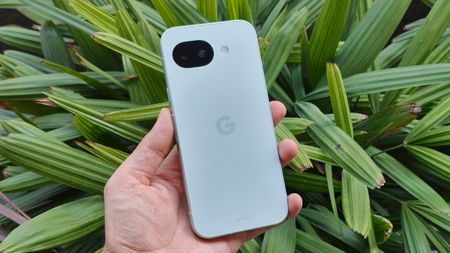 Apple vs GoogleiPhone 17e vs. Google Pixel 10a: Two affordable flagships, one tough decision
 -
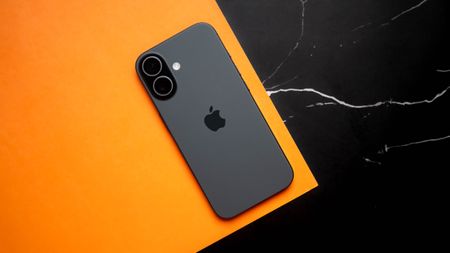 Just as goodNeed to buy an iPhone in 2026? Here's why you should get the iPhone 17
 -
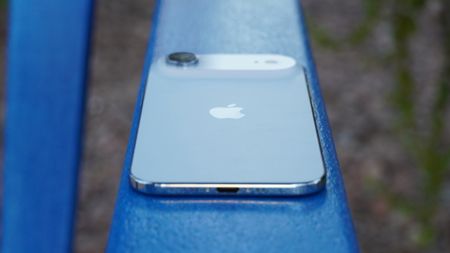 Choices, choicesWith the iPhone 17 selling this well, I don't think Apple cares about low iPhone Air demand
 -
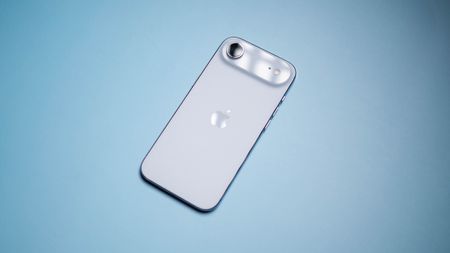 HardwiredThe iPhone Air is the coolest phone I used in 20253 Comments
-


-
-
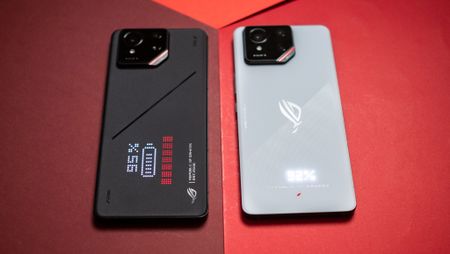 Bye for now, ASUSI'm going to miss new ASUS phones in 2026 for this one reason
 -
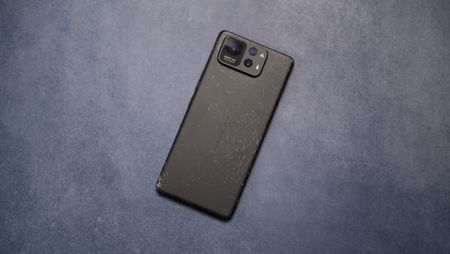 Finally!Asus ROG Phone 9 and Zenfone 12 Ultra users can now upgrade to Android 16
 -
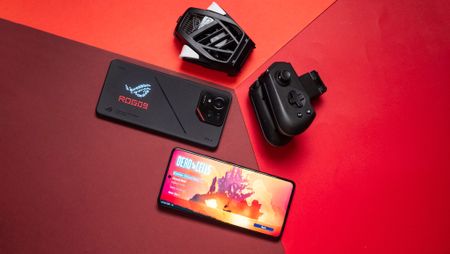 Game onASUS ROG Phone 9 Pro review: Ultimate bragging rights
 -
ContradictionsASUS Zenfone 12 Ultra review: I really like this phone, but you shouldn't buy it
-
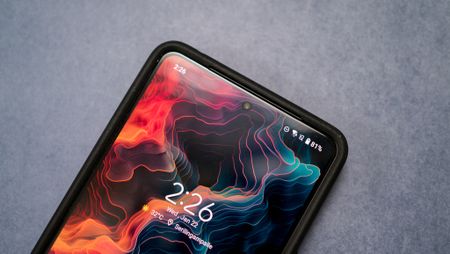 Zen-aestheticASUS reveals the Zenfone 12 Ultra with a spotless design and a powerful flagship chip
 -
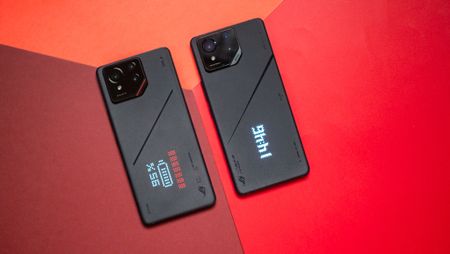 A little cheaperThe budget ASUS ROG Phone 9 FE is finally here with a 2023 chip and gaming AI
 -
For the hopefulThe ASUS ROG Phone 9 'FE' is rumored to have a launch on the horizon
-
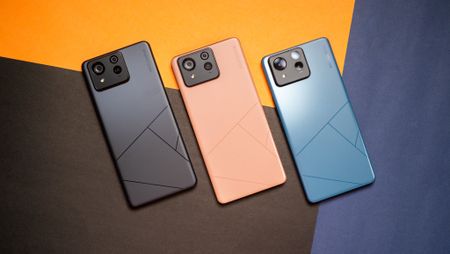 Ultimate ZenASUS Zenfone 11 Ultra review: Identity crisis
 -
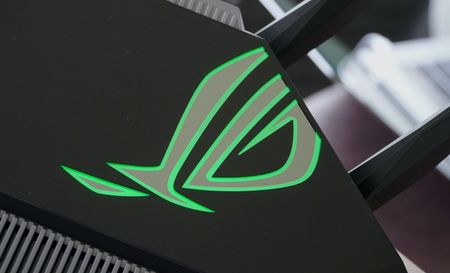 Asus ROG adds a new ultra-fast Wi-Fi 6E gaming router to its lineup
-


-
-
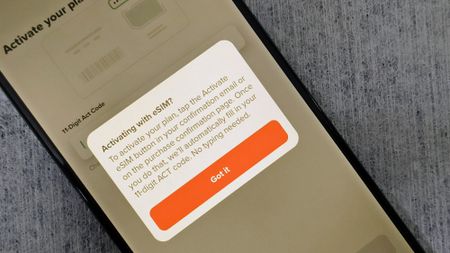 Lots of choicesBest cell phone plans 2026
 -
 Keep it simpleVerizon quietly launches the absurdly cheap Simplicity Plan — unlimited wireless starting at just $30 per month
 -
 Verizon coverage for lessThe best Verizon MVNO carriers: our top picks
 -
 Sign me upA bunch of Android phones are free at Metro by T-Mobile right now — but which device is right for you?
 -
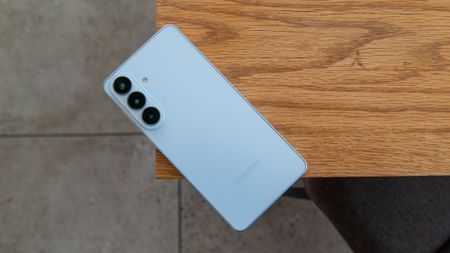 No trade-in requiredThe Samsung Galaxy S26 Plus is so underrated that T-Mobile is now giving them away for free
 -
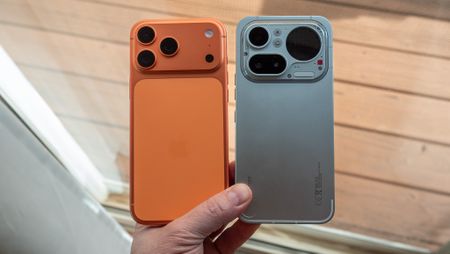 Simple switchingWhy your iOS and Android eSIM transfers always failed — and how to do it right every time
 -
 So Many Choices!Best MVNOs that use T-Mobile's network 2026
 -
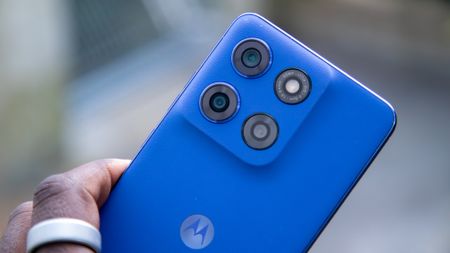 Level upCricket Wireless launches huge sale on Android phones — score a free Samsung Galaxy A37, Moto G Stylus, and more
 -
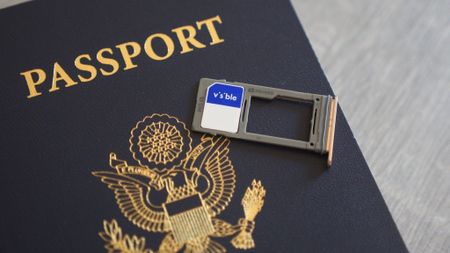 Embedded SIM!How to set up and use eSIM on Android2 Comments
-


-
-
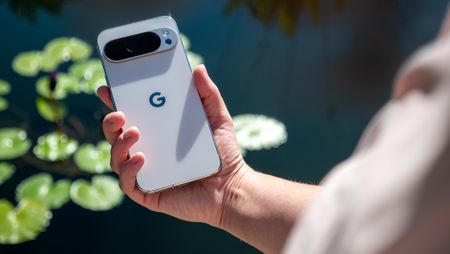 It's not just youIf your Google Fi says your SIM isn't active, here's what's going on
 -
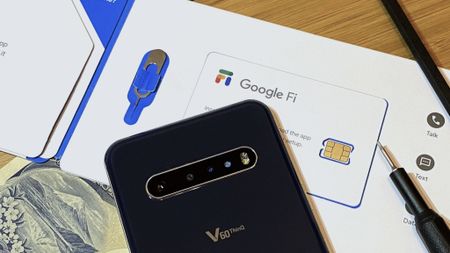 Lots of choices!The best Google Fi Wireless alternatives in 2026
 -
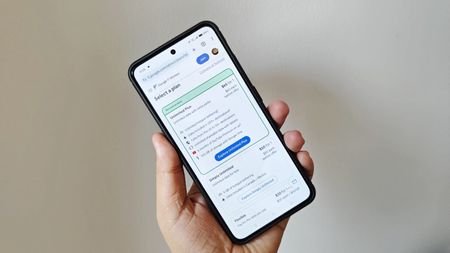 Save with Fi!Google Fi Wireless plans, deals, and prices: everything you need to know
 -
 AI power-upGoogle Fi is using AI to make your phone service less annoying
 -
 Sharing is caring!Which MVNOs allow tethering?
 -
 Tenth anniversaryGoogle Fi celebrates 10 years with a new affordable plan to take on T-Mobile
 -
 Ask JerryAsk Jerry: Will my phone work outside of the US?
 -
 Pixel 8a spottedThe Pixel 8a may have just appeared in a Google Fi Wireless ad
 -
 Two Great Options!Tello vs. Google Fi: Which flexible prepaid carrier is the best?
-


-
-
This is the wayiPhone user? This Prime Day Pixel deal will convince you to switch to Android
-
Foldable savingsWhy wait for the iPhone Fold? This Pixel foldable survives rain and just got a massive $400 discount during Prime Day
-
Deals todayPrime Day Google Pixel deals 2026 — score up to $300 off Pixel 10, Pixel Watch, and more
-
 Back to schoolSchool's out, but I'm getting a head start on back-to-school shopping for my little brother with this Pixel 10 deal I can't miss out on
 -
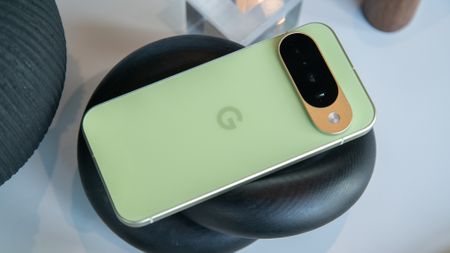 Listening inLeaked Google Pixel 'Audio Memory' poised to remember what you've heard
 -
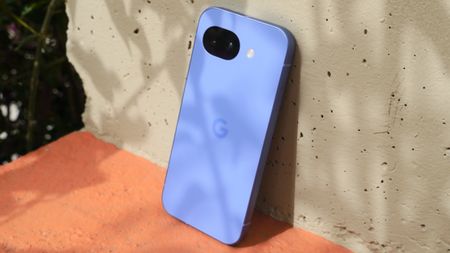 Easy savingsThis might be the only Android phone deal worth your Prime Day budget
 -
Get your bug fixes!Google's extensive June security update fixes tons of lingering Pixel problems
-
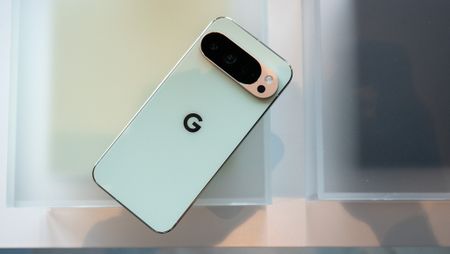 Pixel PerfectBest Google Pixel phones 2026
 -
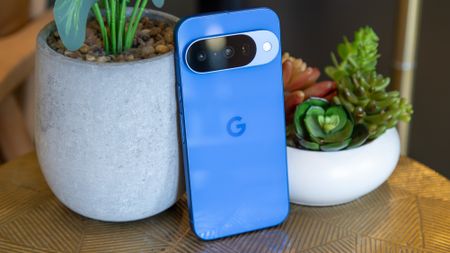 Sizzling patchGoogle's June Pixel Drop is rolling out, and we're unraveling what's coming with Android 17
-


-
-
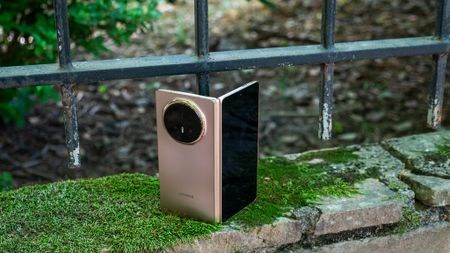 True magicHonor Magic V6 review: Better in every way
 -
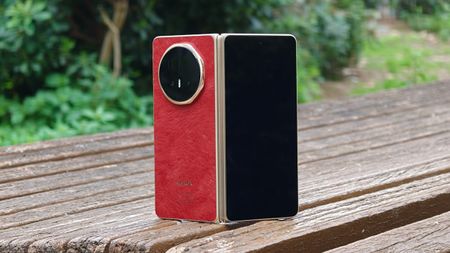 Supporting softwareHonor takes a stand: solidifies seven years of Android for Magic series in Malaysia launch
 -
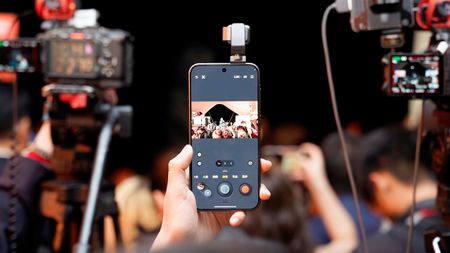 Launch officialHonor just gave us a clearer idea of when its Robot Phone is coming
 -
 Looking to competeHonor, Vivo might've started on 'Wide' foldables to compete with Samsung
 -
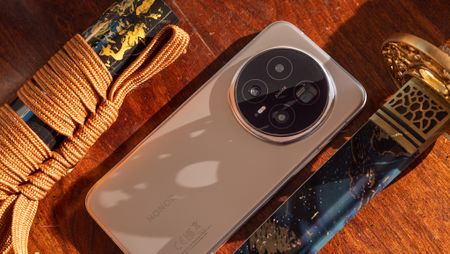 Android MagicHonor for Android 17 Beta 3 sees developers get on board with the Magic 8 Pro
 -
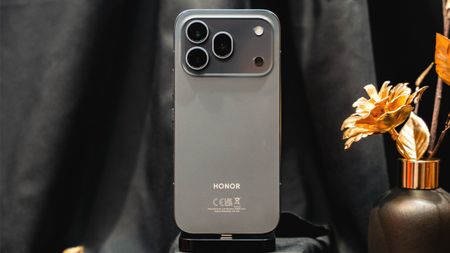 Flashy distractionsHonor 600 series hits the UK with big discounts and a pop culture makeover
 -
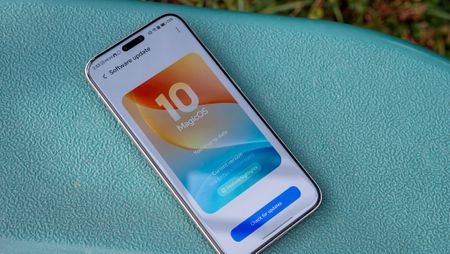 It's magicHonor Connect, photography updates carry the Magic 8 Pro's huge April patch
 -
 Good stuffHonor 600 Pro review: This phone is so good that it surprised me
 -
 New Honor phoneThe new Honor 600 series brings flagship cameras and upgraded AI features
-


-
-
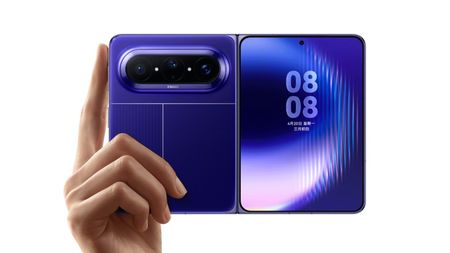 Wide is the new tallThe wide foldable is finally here, and it didn’t come from Samsung
 -
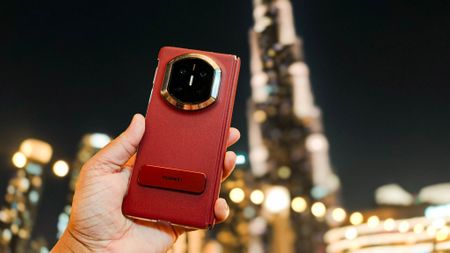 Soaring aboveI used Huawei's Mate X7 to take photos of the world's tallest building, and I'm convinced that this foldable has the best cameras
 -
 Coming BackHuawei's alleged Mate XT sequel might have some spicy upgrades up its sleeve
 -
 What could it be?Jackie Chan was spotted using a foldable on TikTok, and we've got our top suspects
 -
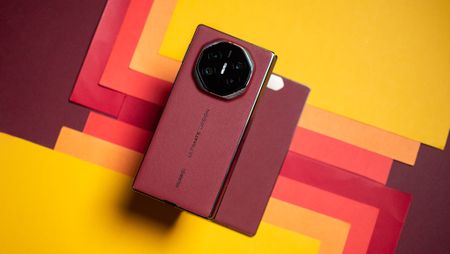 The bestHuawei Mate XT camera review: Putting all other foldables to shame
 -
 Why not both?Huawei's new flip phone blurs the line between foldables
 -
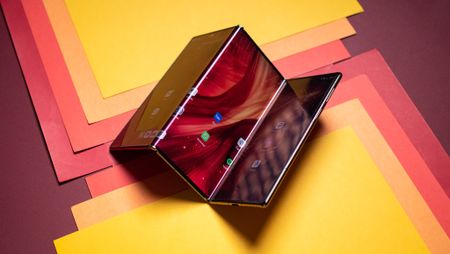 Leveling upHuawei's tri-fold Mate XT is the most exciting phone I've used in a long time
 -
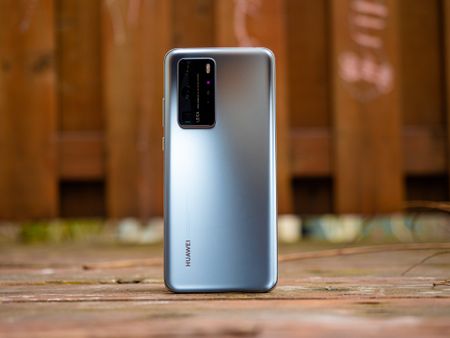 Best Huawei phones 2022
 -
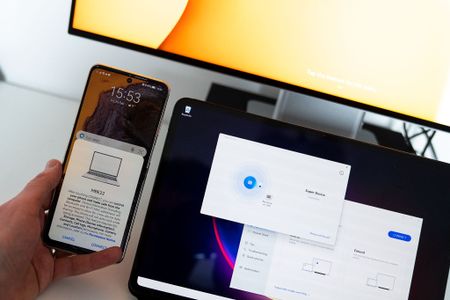 Huawei's 'Super Device' is greater than the sum of its parts
-


-
-
 Powered-upMediaTek's Dimensity 9500s, 8500 surge with power for even more Android phones
 -
OVER 9000MediaTek's new powerhouse chip is the unicorn you'll never get to see2 Comments
-
 Flagship powerThe MediaTek Dimensity 9500 is the Android powerhouse you'd expect
 -
Chip launch confirmedMediaTek confirms the date for its next flagship chip launch, and the timing is interesting
-
 Early DaysVery early MediaTek Dimensity 9500 benchmark leaves us waiting for more
 -
 Agentic AIMediaTek highlights Dimensity 9400 Plus with edge-AI specs and 20% boost in Gen AI
 -
 Next-gen processorMediaTek's Kompanio Ultra will 'redefine' Chromebook Plus performance and AI
 -
 MediaTek unveils Dimensity 700 for budget 5G phones and a 6nm Chromebook chipset
-


-
-
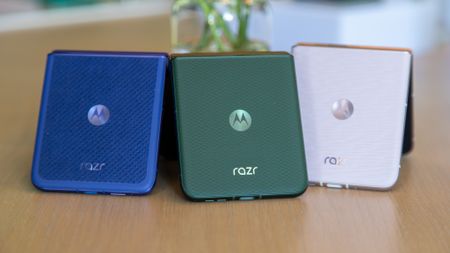 Hello Moto!Best Motorola phones 2026
 -
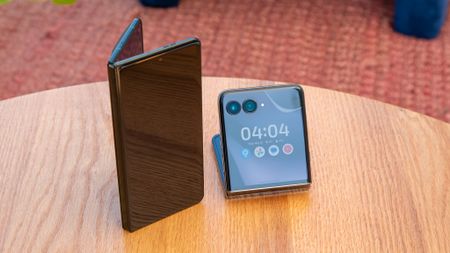 Editor's Desk8 ways I optimize my 2026 Motorola Razr camera to help me take better photos
 -
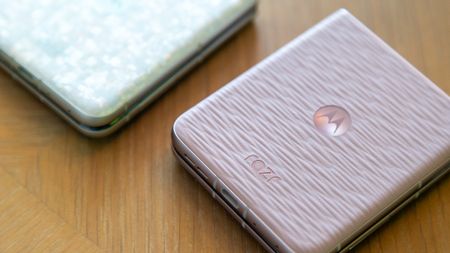 Hello Moto squadWhich Motorola Razr 2026 color should you buy?
 -
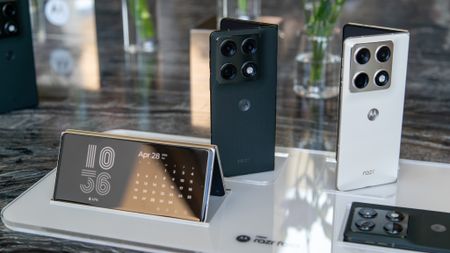 B&WWhich Motorola Razr Fold color should you buy?
 -
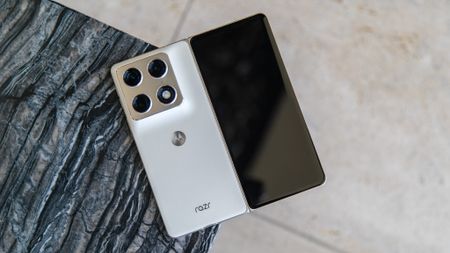 Fold the sequel5 ways the Razr Fold 2027 can improve on Motorola's already-excellent foldable
 -
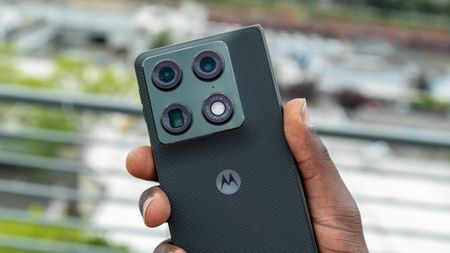 Frame MatchSummer is around the corner, and this new Motorola Razr feature can help you take better vacation photos
 -
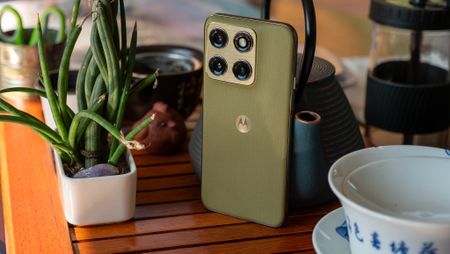 A serious edgeMotorola Edge 2026 review: Talk about a major improvement!4 Comments
 -
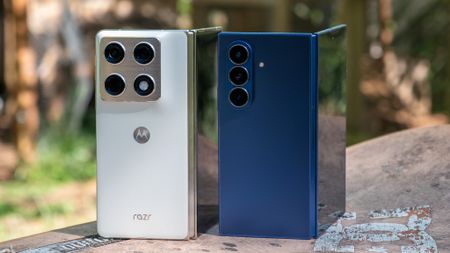 Roaring RazrMotorola Razr Fold vs. Samsung Galaxy Z Fold 7: Pick your fighter
 -
 Built for real handsMotorola Edge 2026 and Moto Buds 2 double down on comfort, battery life, and practicality
-


-
-
*insert Shakespeare line here*Nothing casually made a new phone: Phone 4b sketch teaser precedes a July reveal
-
Nothing but dealsSwitching from iPhone just got easier as the Nothing Phone 4a Pro just hit its lowest price ever with this anti-Prime Day deal
-
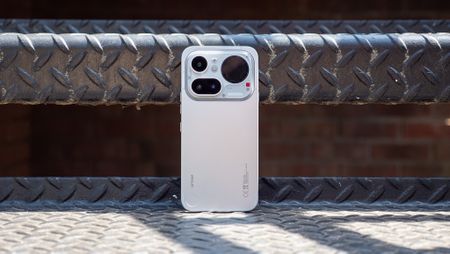 A lot in storeNothing's Community Review program, 'b' product teaser could mean more than we think
 -
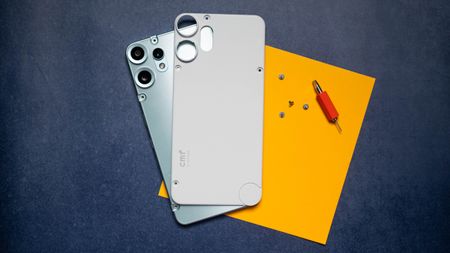 Not this timeRAM ruins a Pro: Nothing says no CMF Phone 3 Pro to avoid ridiculous pricing
 -
 The anti-Apple playbookNothing’s Carl Pei says he's going to steal Apple’s customers “one bored iPhone user at a time”2 Comments
 -
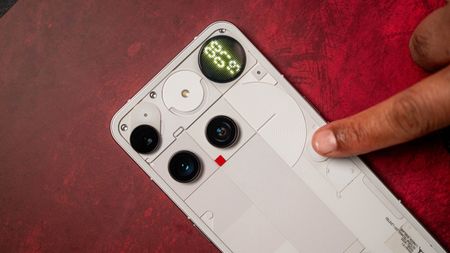 Record low priceWhy wait for Prime Day? The 'fantastic' Nothing Phone (3) has already scored a record-smashing discount at Amazon
 -
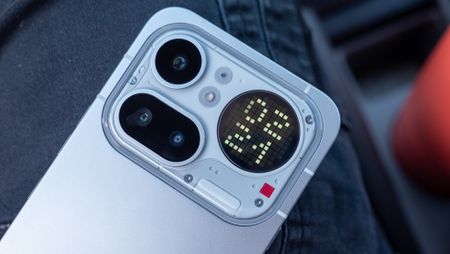 Keeping it funKeeping it fun: Nothing debuts its phones, audio lineup at Best Buy in the US3 Comments
 -
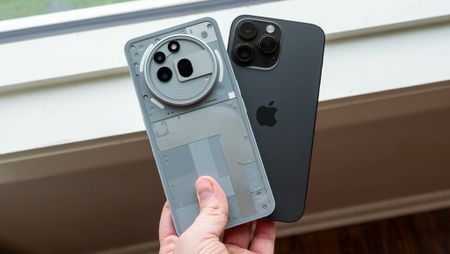 Nothing like a NothingTikTokers are swapping their iPhones for Nothing Phones, and I think I understand why4 Comments
 -
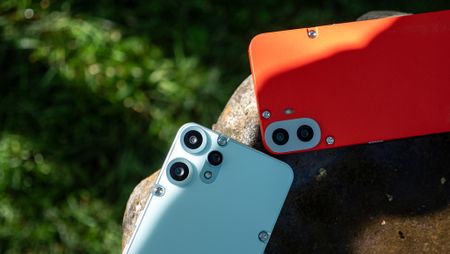 Is it a dynasty?Chatter says Nothing's CMF Phone 3 Pro is delayed, specs and launch leak
-


-
-
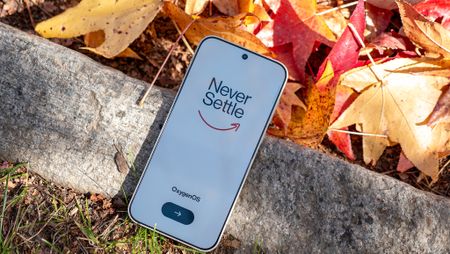 All screenThe OnePlus 16 might be the closest we've come to a bezel-free phone3 Comments
 -
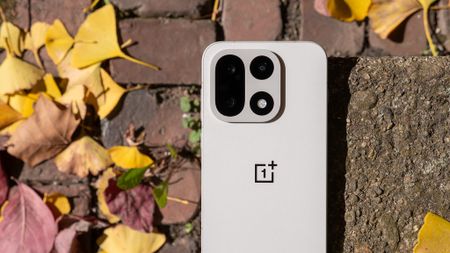 OnePlus x iPhoneThe OnePlus 15 is picking up one of Android's most useful sharing upgrades
 -
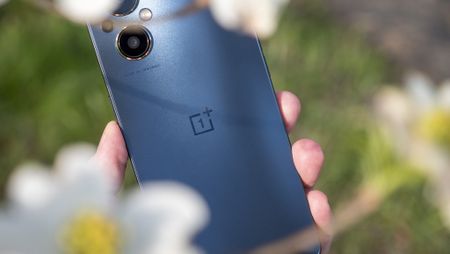 Returning to budget rootsOnePlus looks ready to dive deeper into the budget phone battle
 -
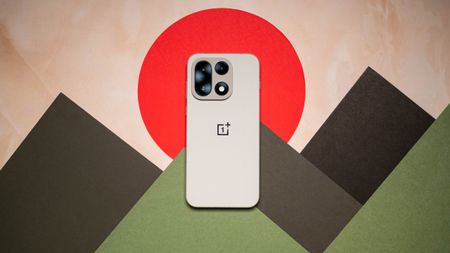 Earlier than expectedThought OnePlus was struggling? The OnePlus 16 could be closer than anyone expected
 -
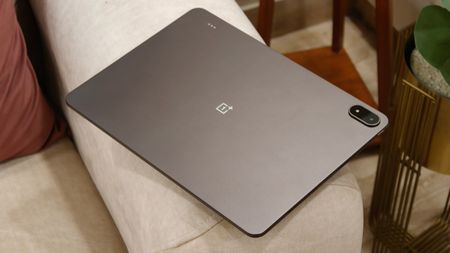 Android tablet done rightI used the OnePlus Pad 4 for three weeks — Here are 5 things I learned
 -
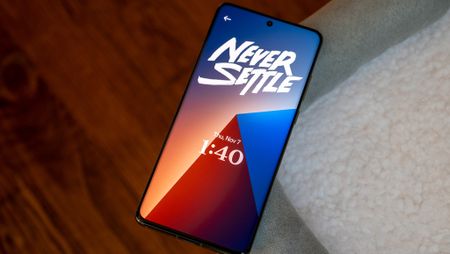 damage controlYour OnePlus update is on hold, and honestly, you should be glad
 -
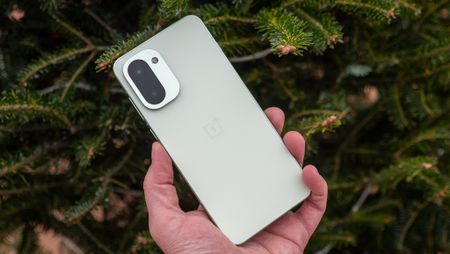 Straight savingsThe OnePlus 15R is a battery life beast, and it just scored a record-smashing discount at Amazon
 -
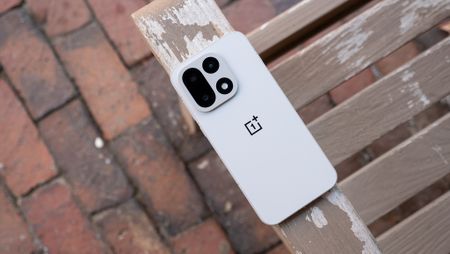 Still fresh, still coolOxygenOS 16.1 unlocks a smarter, more secure and personal OnePlus 15
 -
Merged?Major reports say OnePlus, Realme merge, but there's a lot still in the dark
-


-
-
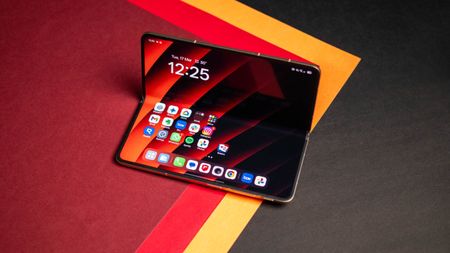 Oppo going wideLeak says OPPO has a 'Wide' foldable in the works, too, but you might have to wait
 -
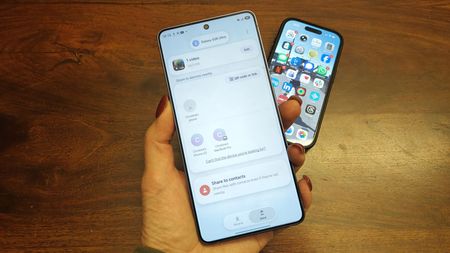 Finally expandingAirDrop sharing appears to be expanding beyond Pixel and Galaxy phones
 -
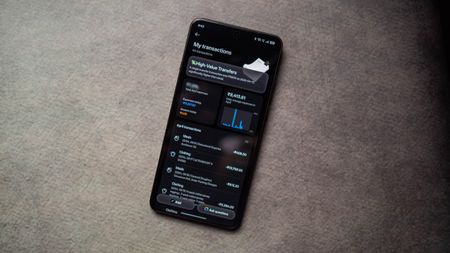 Sort it outI finally got a handle on my expenses thanks to this AI feature on the Find X9 Ultra
 -
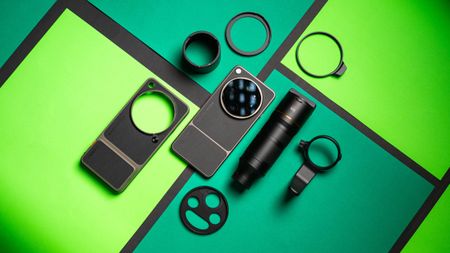 OPPO Find X9 Ultra review: This world-class camera is also a phone
 -
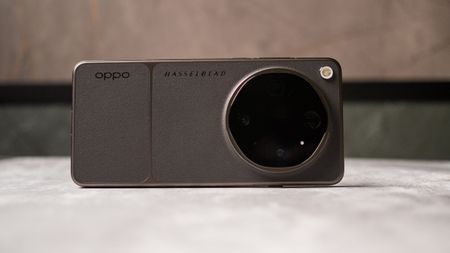 OPPO Find X9 Ultra hands-on: Is this the best camera phone of 2026?2 Comments
 -
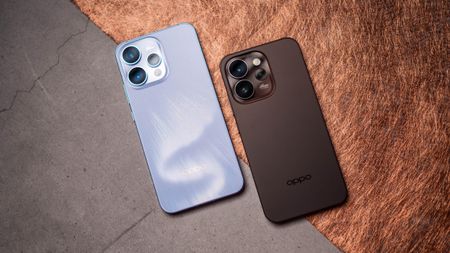 Just look at itOPPO's Reno 15 Pro and Reno 15 are the flagship killers you deserve in 2026
 -
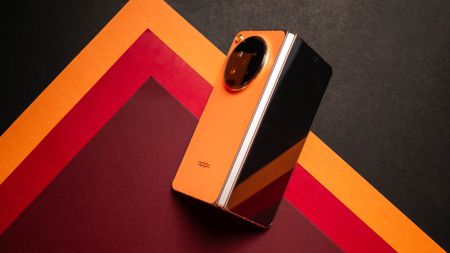 Finding OPPOOPPO Find N6 vs. Samsung Galaxy Z Fold 7: We have a clear winner
 -
 Ultra worldwideOPPO puts the Find X9 Ultra and 'global' in the same sentence, teases April debut
 -
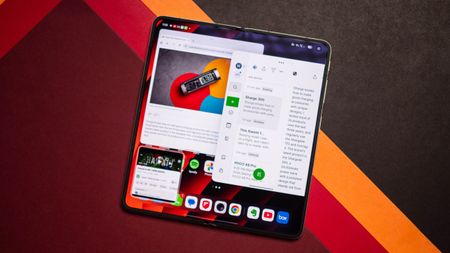 How ToOPPO's Find N6 foldable has a unique multitasking feature that Google needs to steal immediately
-


-
-
 Built for the futureAndroid XR's biggest hurdle may finally have a solution
 -
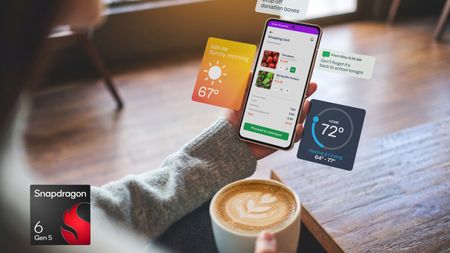 Grab some chipsQualcomm unveils a pair of chips: Snapdragon 6, 4 series to improve the features you actually use
 -
 Qualcomm FY Q2 2026 earnings highlight a mobile industry under pressure from the memory shortage
 -
 Elite, Pro, hello!Snapdragon 8 Elite Gen 6 CPU rumors join the 'powerful' 6 Pro in this early report
 -
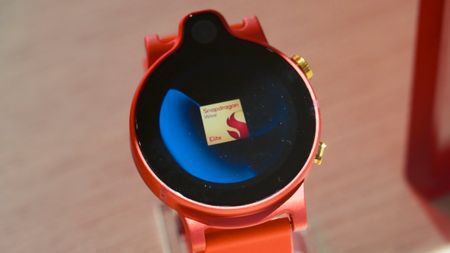 How To4 ways Snapdragon Wear Elite will make your next wearable more useful
 -
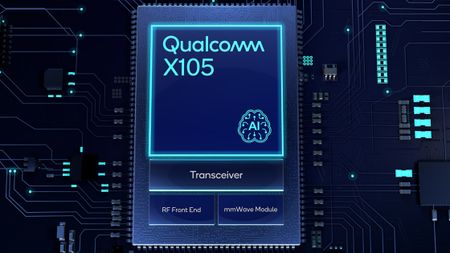 Faster speedsQualcomm's X105 modem will keep you connected in elevators and parking garages
 -
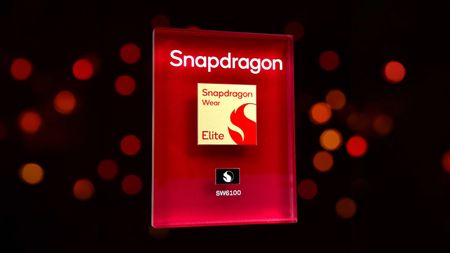 Smarter watches aheadQualcomm's new Snapdragon Wear Elite wants to make AI wearables actually smart
 -
 all-in-one connectivity chipQualcomm's Wi-Fi 8 chips are here, and they actually fix the stuff that annoys you
 -
 EarningsQualcomm reports record earnings, but things aren't looking good
-


-
-
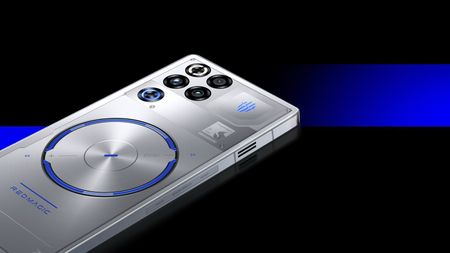 Liquid CooledRedMagic's 11S Pro is a gaming beast, and it's crazy to think Liquid Cooling is in this phone
 -
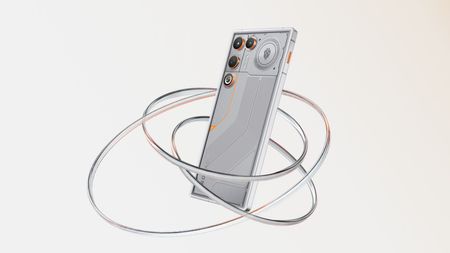 fresh faceRedMagic 11 Air Trace Edition is the same great gaming phone in a louder shirt
 -
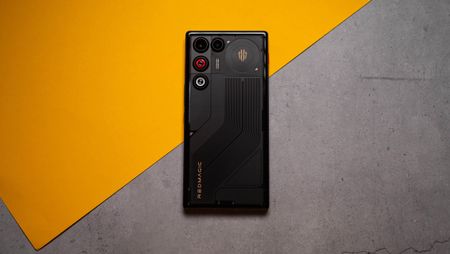 How ToThese four features make the Redmagic 11 Air a beast of a gaming phone
 -
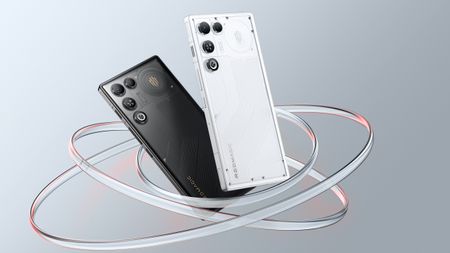 Slimmer, not weakerThe RedMagic 11 Air is surprisingly thin, and I’m obsessed with its massive 7,000mAh battery
 -
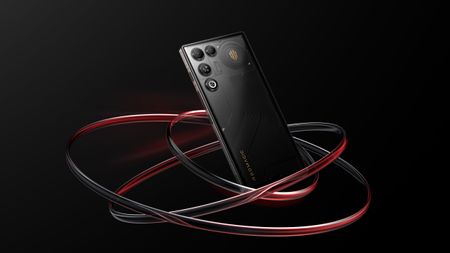 What're we playing?RedMagic 11 Air is a cool, crisp mobile gaming guru with the series' biggest 7,000mAh battery
 -
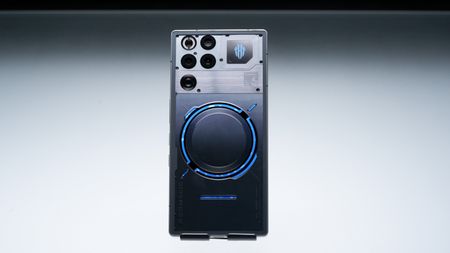 Cooling ReimaginedRedMagic just dropped a gaming phone with a literal water cooler inside
 -
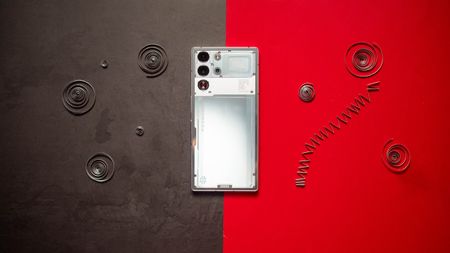 Stylish powerRedmagic 10S Pro review: Beating ASUS at its own game
 -
 Game TimeThere may be a REDMAGIC gaming tablet on the horizon with a smaller screen
 -
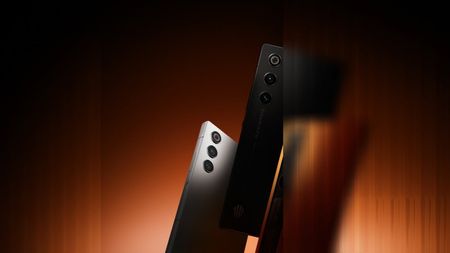 sleek and powerfulRedMagic's latest gaming phone is smart and powerful without the bulk
-


-
-
5.0Samsung's UFS 5.0 sets the tone for snappy AI on phones, aims for Q4 production
-
Beat the crowdsPrime Day Samsung Galaxy deals — record-smashing S26 discounts, SSD savings, and so much more
-
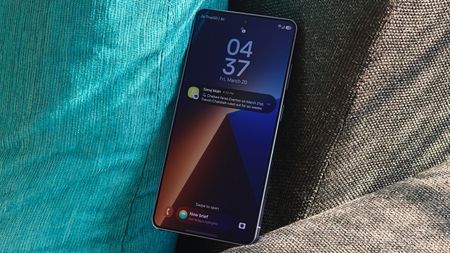 Privacy DisplaySamsung's Privacy Display may not stay exclusive to the Galaxy S26 Ultra for long
 -
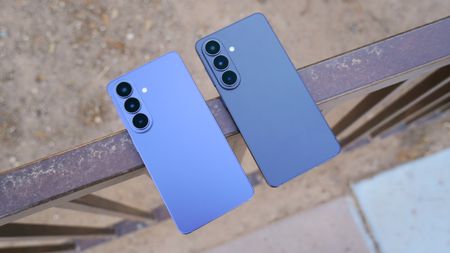 Keep it tameRising costs could force Samsung to keep things mild for the Galaxy S27 next year
 -
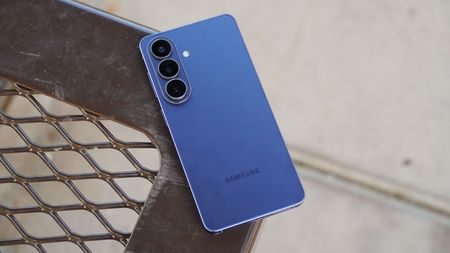 UnbelievableThis is still the best Samsung Galaxy S26 deal on the web, and nobody is talking about it
 -
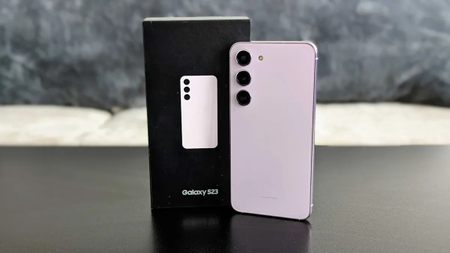 StrangeNightmarish Galaxy S23 reports after downloading One UI 8.5 have me terrified
 -
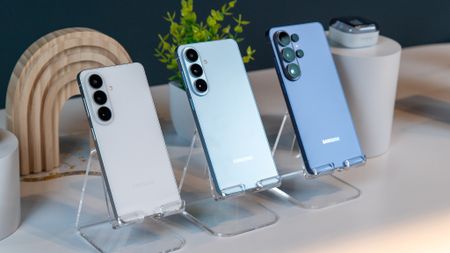 TripleSamsung hits a triple: One UI 9 Beta 3 is here for enrolled Galaxy S26 phones
 -
 *thwip*Brand New Day: Samsung's foldables swing with Spider-Man, but you'll need the Spidey Tracker
 -
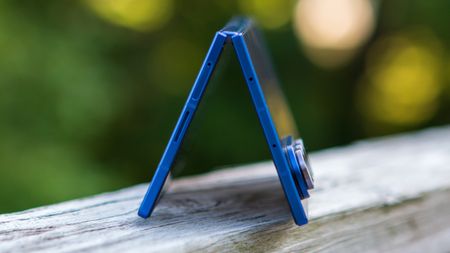 FCC approvedSamsung's next foldables and smartwatches are one step closer to launch
-


-
-
Deals todayPrime Day Google Pixel deals 2026 — score up to $300 off Pixel 10, Pixel Watch, and more
-
Back to schoolSchool's out, but I'm getting a head start on back-to-school shopping for my little brother with this Pixel 10 deal I can't miss out on
-
Listening inLeaked Google Pixel 'Audio Memory' poised to remember what you've heard
-