
Google: B+

Google had a spectacular 2025, and it really showed in how the company prioritized its time this past year.
It was very clear that Google wanted to take what it did with AI in 2024 and push it deeper into its ecosystem. And as a result, we saw some of the most robust changes with Gemini this year. Google made it clear that AI is here to stay, and further to that, Google is doing what it needed to do this year, which was to really integrate AI into its hardware.
By focusing less on hardware this year and more on software and AI, I know that Google is setting itself up for success.
Pixel 10 is the Gemini era
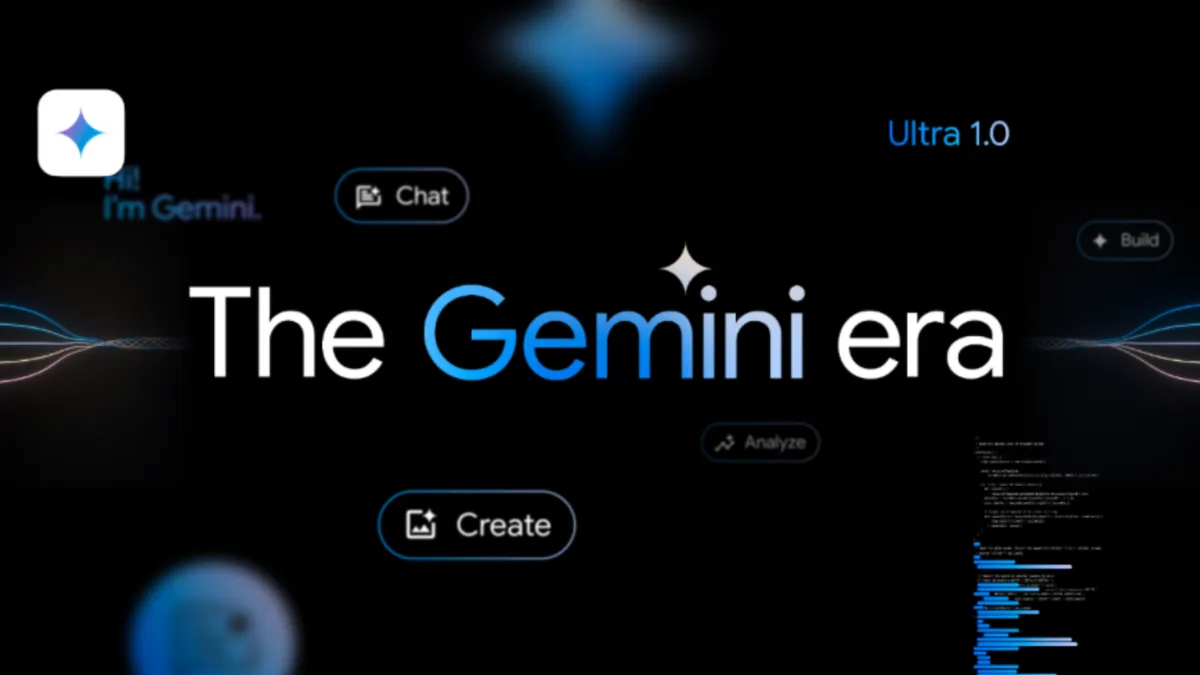
This year was an important one for Google’s smartphone lineup, because while the series celebrated 10 generations of Pixel, it was the first year the phone was touted as “ready for the Gemini era,” signaling a broad AI-first focus for the phone. The Pixel 10 series was a clear indication of how hard Google has worked on its AI.
The phone has incredible on-device AI processing, allowing for many AI features to run locally on the Pixel. The phone has more AI tools that are beyond photography, like NotebookLM, and this year, Google added Gemini as a permanent Google assistant replacement across all of its platforms.
The phone’s hardware itself wasn’t really that much of an upgrade that many people thought there would be, but that’s not the point. I don’t think that was Google’s point either.
Google also launched Magic Cue, which suggests helpful actions by “connecting the dots” across apps like Gmail, Calendar, and Messages. For example, if someone texts about your flight, it will pull up the information for you from Gmail so you can easily share it.
Voice Translate, Take A Message, and the new Pixel Journal all now offer AI-generated writing prompts when you need inspiration.
I wanted to see Google build on its AI, and it delivered.
You’re going to care about AI more

Last year, I wrote about how people aren’t buying phones because they care about the AI, and I also learned that the market isn’t seeing a trend of people buying phones because of the AI. This, to me, meant that AI isn’t giving the ROI back to Google…yet.
Because of consistency and hard work, I am convinced that people will eventually start caring more about AI on their phones and what their phones are capable of. Google took 2025 to change the way you think about AI on your phone, and the company is doing a good job of making you care. They’re just... not there yet. And, I think that final push is coming in 2026.
People are slowly realizing the importance of AI on their phones, but they aren’t fully convinced yet. And I think this year was a great setup for that final goal to flourish.
Samsung: A
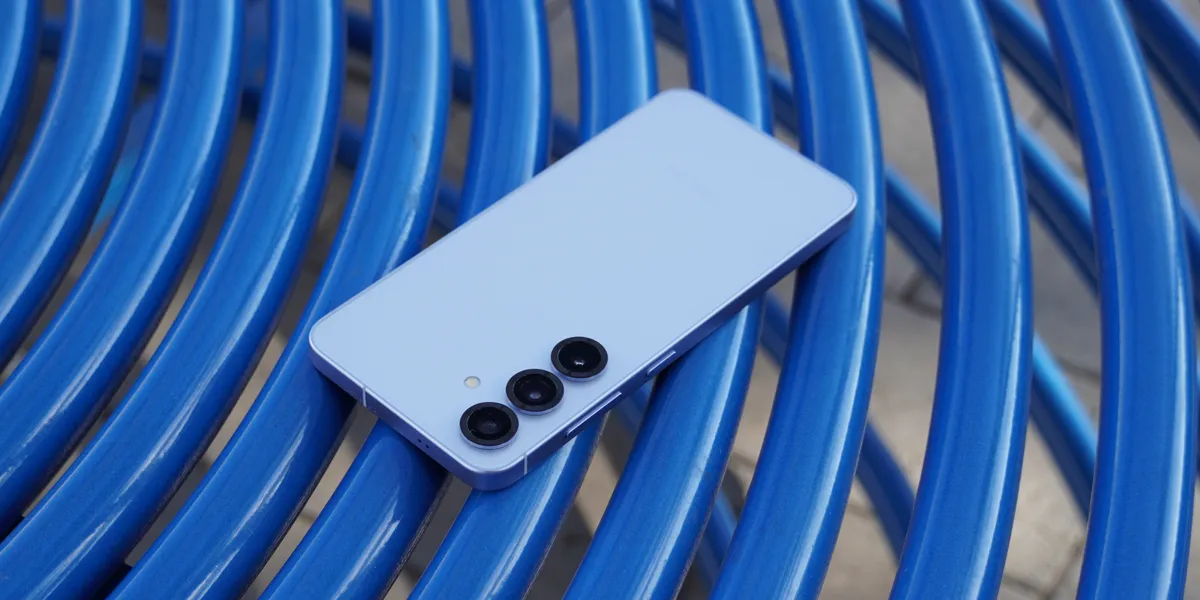
This year really was the rise of Samsung, and it was a very successful year
I was pretty hard on Samsung at the end of 2024, and I really expected a lot from the company. I am proud to say that Samsung knocked it out of the ballpark in 2025.
The year started off incredibly strong with the launch of the company’s S25 series, followed by the anticipated S25 Edge device. The year continued with excellent growth, with a much-needed upgrade following the launch of the Galaxy Z Fold 7. Samsung is ending the year having launched Apple and Meta’s biggest competition, the Galaxy XR device, and introducing the Galaxy TriFold to the world.
Samsung really said to the world, “We’re going to remind you why we’re the best innovator.”
A solid start

Samsung focused on its laurels and wasn’t complacent in 2025. It ensured to maintain its strong relationship with Google, and instead of focusing on software, allowing Google to do that part, it focused on hardware. I think this was the smartest move that Samsung made.
I said at the end of last year that in 2025, Samsung really needs to focus on reeling it back in, having a more structured approach, and focusing on improving its devices.
The S25 series is notably one of the company’s best flagship devices to date. It launched as one of the most powerful phones available, with AI-infused One UI 7, and an incredible display.
Focused competition

I said last year that Samsung cared too much about competing with Apple, and it was so excruciatingly obvious. Understandably so, Samsung holds the largest share of the Android device market, but it still hasn’t been able to surpass Apple's share in North America.
Instead of focusing on what Apple is doing, Samsung has redirected its attention to keep its head down, focus on itself, while maintaining its competition with Apple. It is still competing with Apple, but it’s not trying as hard; it’s being authentic and genuine.
We saw Samsung get ahead of Apple in launching the Galaxy S25 Edge, its thinnest smartphone that feels both lightweight and incredibly premium.
And later this year, it launched Galaxy XR, a direct competitor to the Apple Vision Pro, which Android Central deemed a device that absolutely nailed the hardware.
Turning the struggle year into a successful year

Samsung listened to the public and took a failed Fold 6 launch into an incredibly successful Fold 7 launch.
It didn’t publicly need to apologize, nor was it poked fun at by other companies.
Samsung allowed Google to do what it does best: build on a solid foundation, and the result was Galaxy AI, one of the best implementations of AI on a phone.
It also launched the Galaxy Trifold, making the form factor something that could stick and set the stage for even more form factors in the future.
Samsung, you nailed it this year.

