In his weekly column, Android Central Senior Content Producer Nick Sutrich delves into all things VR, from new hardware to new games, upcoming technologies, and so much more.
This past week, a frenzy of news posts and analyst critiques focused on Meta's "deep cuts" across its Metaverse division. This new division of Reality Labs, launched just one month ago, was created to cleanly split Reality Labs into more tangible business goals, and it was clearly put in place ahead of the big moves we saw in the past two weeks.
According to a Bloomberg report, Meta may be making 30% cuts to the division starting in January. That was enough for plenty of outlets to circle the wagons and cry that "VR is dead" once again, a mantra that far too many tech-forward publications love to scream year in and out. But the reality doesn't fit that narrative at all. In fact, reality is exactly the opposite of what these places purport.
Meta just hired two top-tier designers from Apple right before this news broke, and that news came just days after fresh leaks pointed toward a gaming-focused, high-end Meta Quest 4 in the works. Unironically, this is all happening as CTO Andrew Bosworth's promise that 2025 will be “the work of visionaries or a legendary misadventure" is about to expire, signaling that the company's focus on Horizon Worlds as the go-to "metaverse" was the problem all along.

Enjoy our content? Make sure to set Android Central as a preferred source in Google Search, and find out why you should so that you can stay up-to-date on the latest news, reviews, features, and more.
Getting back to basics

The main Reality Labs division was formed on August 25, 2020, just ahead of the Meta Quest 2's launch. Since then, this division has been responsible for developing VR headsets, smart glasses, Horizon Worlds, sEMG gesture bands, the Horizon operating system, next-generation realistic avatars, and more.
Meta spends billions on Reality Labs technology investments each quarter, with spending growing from about $2 billion in Q4 2020 to a whopping $6.05 billion in Q4 2024. Since 2022, over 50% of Reality Labs' budget has been spent developing true AR glasses like Meta Orion, though the closest Meta has come to releasing a consumer product is the Ray-Ban Display Glasses.
Since the end of 2022, Meta has been cutting spending in most divisions by around 10% per year to get costs under control. Because of Reality Labs' unbridled spending growth, Zuckerberg reportedly requested a 20% spending cut by the end of 2025. That apparently never happened.
Now, the division needs to cut spending by 30% to match the 10% annual cut plus the 20% 2025 cut that didn't happen. That's not a deep cut; that's an alignment with every other division within Meta.
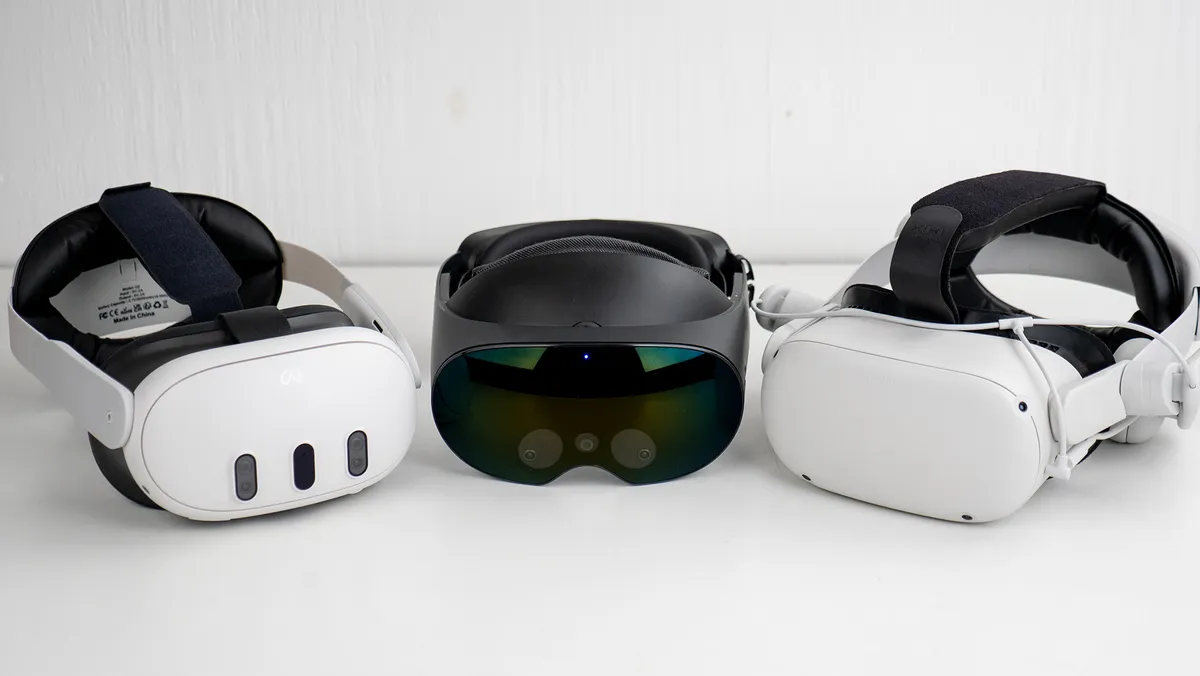
Meta isn't abandoning VR at all, far from it. But I do believe the company is making important shifts away from failed projects like Horizon Worlds and toward the development of a new pair of mixed-reality glasses. The December 4 report from Business Insider aligns with this view, and new leaks about a gaming-focused, ultralight Meta Quest 4 further complete the picture of what's happening at Meta.
Now, does that mean Horizon Worlds is going away tomorrow? Absolutely not. Meta has significantly redesigned the operating system that powers the Meta Quest (called Horizon OS) to revolve around using Horizon Worlds as a central social platform. Some elements of this transition have proven to be a boon to the Quest's OS, such as easier ways to connect and chat with friends and less friction for new users.
Instead, I think Meta will now begin to focus more on game developers again as it attempts to rekindle relationships it tanked when it went all-in on Horizon Worlds integration. VR games have been obscenely difficult to find on the official Meta Quest store because Horizon Worlds content has been front and center for the past 15 months or so, causing real problems for developers and Meta Quest game sales.

With all of that now in focus, it paints a much clearer picture of what Reality Labs is doing and what Meta's future products are going to look like. For now, Meta Quest headsets, along with smart glasses like Ray-Ban Meta Gen 2 and Oakley Meta HSTN, are going to continue pulling in around a billion in revenue each quarter, with Meta hoping for more growth in these segments as it starts to significantly trim spending.
That's not Meta giving up on VR or "the Metaverse," as many like to purport. That's the company ensuring that the products and services people care about are here for the long term and continue to evolve as customers use them. Services like Horizon Worlds are on the way out, and ultralight hardware with the same capabilities we know and love today (like Android XR's Project Aura) is the new hotness.
In the meantime, Quest gamers can still expect to enjoy blockbuster games like Batman: Arkham Shadow, Deadpool VR, Assassin's Creed Nexus VR, Metro Awakening, Asgard's Wrath 2, and many more as the company continues to pour money into VR development through its Oculus Publishing group. And hey, who knows, maybe we'll even get lucky enough to see beloved classics like Echo VR return if the company aligns with the goals of its hardcore base.