
What you need to know
- Samsung unveiled the Exynos 2600, the world's first smartphone chipset built on a 2nm manufacturing process.
- The Exynos 2600 drops low-power cores and uses a new CPU layout for higher performance and better efficiency.
- Samsung claims up to 39% CPU gains, stronger AI processing, and double the GPU performance over Exynos 2500.
- A new Heat Path Block (HPB) design aims to fix past Exynos heating issues by improving sustained performance.
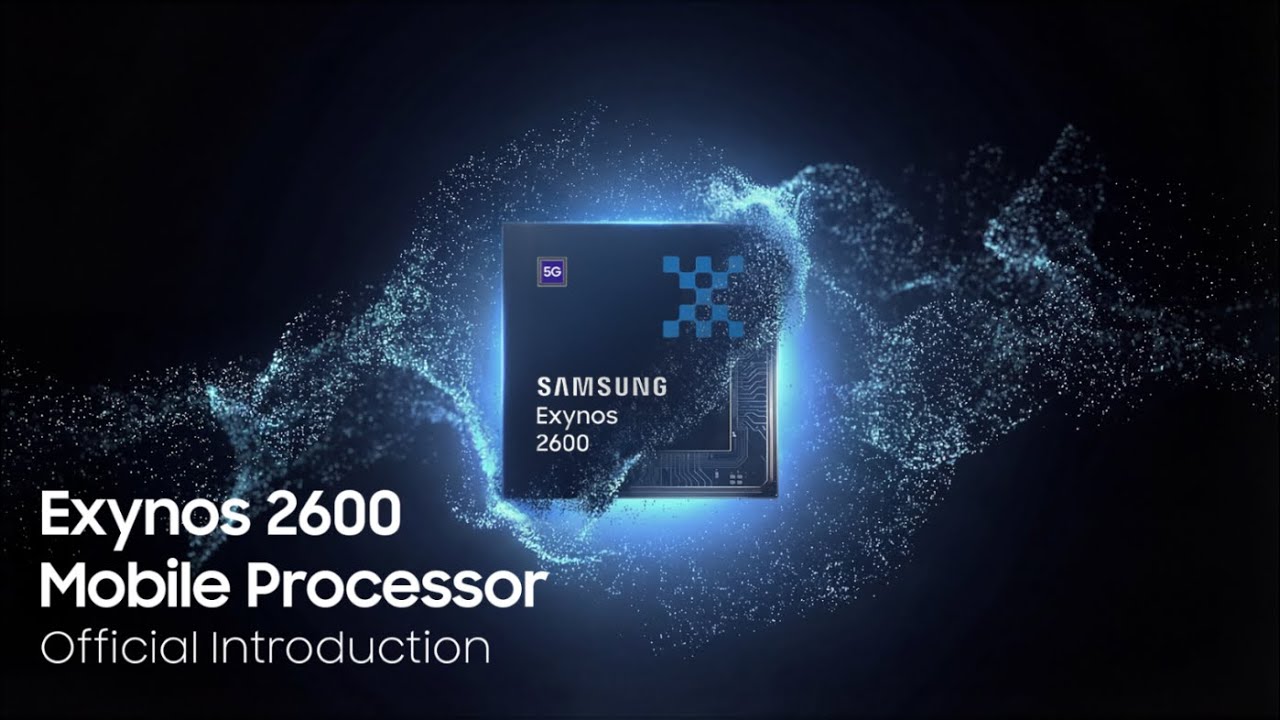
Like clockwork, ahead of announcing its new flagship Galaxy S26 series in a couple of months, Samsung has officially unveiled the chipset that could power the lineup, the Exynos 2600.
While this may look like a routine annual refresh on paper, Samsung has introduced some major, industry-first features with this chipset. The Exynos 2600 is the world's first smartphone chipset built on a 2nm GAA (Gate-All-Around) process, and Samsung is claiming big gains in performance, efficiency, and thermals thanks to the new manufacturing node.
For reference, all current flagship chipsets from Qualcomm (including the new Snapdragon 8 Elite Gen 5), MediaTek, Apple, and even Google are built on a 3nm process, but Samsung appears to have beaten everyone to 2nm. In theory, the smaller the node, the better the overall performance and efficiency should be, although real-world results remain to be seen.
In terms of specs, the Exynos 2600 features a 10-core CPU built on Arm's latest v9.3 architecture. A notable change this time is that Samsung has entirely dropped low-power CPU cores in favor of a mix of high-performance and higher-clocked mid-tier cores.
The CPU includes one prime C1-Ultra core clocked at 3.8GHz, three high-performance C1-Pro cores running at 3.25GHz, and three efficiency-focused C1-Pro cores clocked at 2.75GHz. Samsung claims up to a 39% performance boost compared to the Exynos 2500, which powered the Galaxy S25 series in select regions.
Exynos 2600 might finally fix Samsung's heating problem
Thanks to the upgraded CPU, Samsung says on-device AI performance should see a major improvement. This includes faster object detection in photos, improved image processing in the camera, and better overall video quality.
On the graphics side, the Exynos 2600 packs the new Xclipse 960 GPU, with Samsung claiming up to twice the performance of the previous generation and up to 50% better ray tracing performance.
One of the biggest issues with previous Exynos chipsets has been heat management, and Samsung appears to have focused heavily on this with the Exynos 2600. The company has introduced a new Heat Path Block, or HPB, designed specifically to improve heat dissipation efficiency.
Samsung says the HPB optimizes the heat transfer path, allowing heat to disperse more efficiently and enabling the chipset to sustain high performance during demanding tasks. By lowering thermal resistance, the new design helps move internal heat outward more quickly, keeping the SoC's temperature more stable.
The Exynos 2600 is expected to power the Galaxy S26 series in select regions, including Asia and Europe, likely for the base Galaxy S26 and the Galaxy S26 Plus. While there were rumors that Samsung might use the Snapdragon 8 Elite Gen 5 across all regions, the official unveiling of the Exynos 2600 suggests Samsung will once again split chipsets depending on the market.

