What you need to know
- A U.S. court has blocked Lexqi from selling faceless wearables that closely copy Whoop's signature design.
- The court ruled that Whoop's design has been central to its business and was nearly identical in Lexqi's products.
- While Whoop's pricing remains controversial, the ruling reinforces accountability against counterfeit products.
Whoop might have just secured a big win against brands selling similar faceless health trackers in the U.S.
Traditionally, when it comes to fitness bands (not to be confused with smartwatches) Whoop is usually the first name that comes to mind. However, due to its high pricing and the nature of the market, a quick search on Amazon reveals several brands selling similarly designed products in the U.S.
These trackers often promise no subscription fees, lower prices, and comparable features while closely mimicking Whoop's design. That practice appears to have crossed a line, and a U.S. court seems to agree.
The U.S. District Court for the District of Massachusetts has granted Whoop a preliminary injunction against Shenzhen-based Lexqi, halting the sale of its infringing wearable products in the U.S.

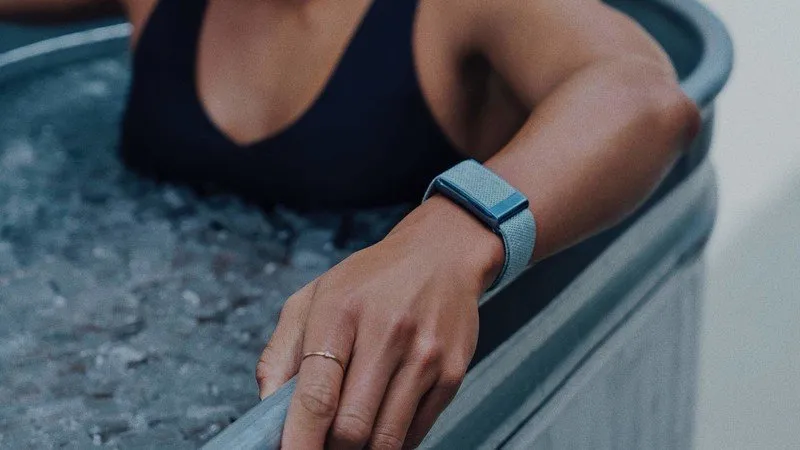
Back in 2025, Whoop sued Lexqi and Polar for selling knockoff versions of its health tracker on Amazon. The lawsuit claimed the products featured a nearly identical design, described as a "continuous fabric band over a faceless device with thin metal side accents."
The court noted that Whoop's design has been central to the company's business for the past decade and found that the Lexqi device was almost identical to the Whoop product. Based on this, the court ruled in Whoop's favor and ordered the sales of the infringing products to stop.
As for other manufacturers, it remains unclear how this ruling will affect them. Luna recently showcased a faceless fitness tracker at CES 2026, and while it runs a different OS with a more voice-focused feature set, its design could still invite comparisons to Whoop. Similarly also sells a faceless tracking device called the Helio Strap, which could raise similar questions.
Android Central's Take
This needed to happen, honestly. It's still concerning that Whoop continues to charge such a high price for access to its fitness platform, but that ultimately comes down to the brand's positioning. Companies selling counterfeit or near-identical products should be held accountable, and that's exactly what the U.S. court has done here.

