
For quite a long time, Android has had one big advantage over iOS: you can install apps from basically anywhere, without asking Google's permission. That freedom is about to come with considerably more friction.
Google has confirmed that its developer verification requirements will begin rolling out globally in January 2027, making it harder to install apps from developers who haven’t registered with the company.
Announced in 2025, the policy requires Android app developers to verify their identities and register their applications with Google, regardless of where those applications are distributed. The new rules will also apply to third-party app marketplaces and independently distributed APKs.
Google is working with seven distributors, including Google Play, Samsung’s Galaxy Store, Honor, Oppo, Xiaomi, Transsion, and Vivo, to bring the requirements to more users.
Google says the changes are intended to make it more difficult for scammers and malicious developers to continue distributing harmful apps. The company says millions of applications have already been registered, representing more than 99% of Android app installs worldwide. The launch began on September 30, 2026, in Brazil, Indonesia, Singapore, and Thailand.
Sideloading will become a much bigger hassle for Android users
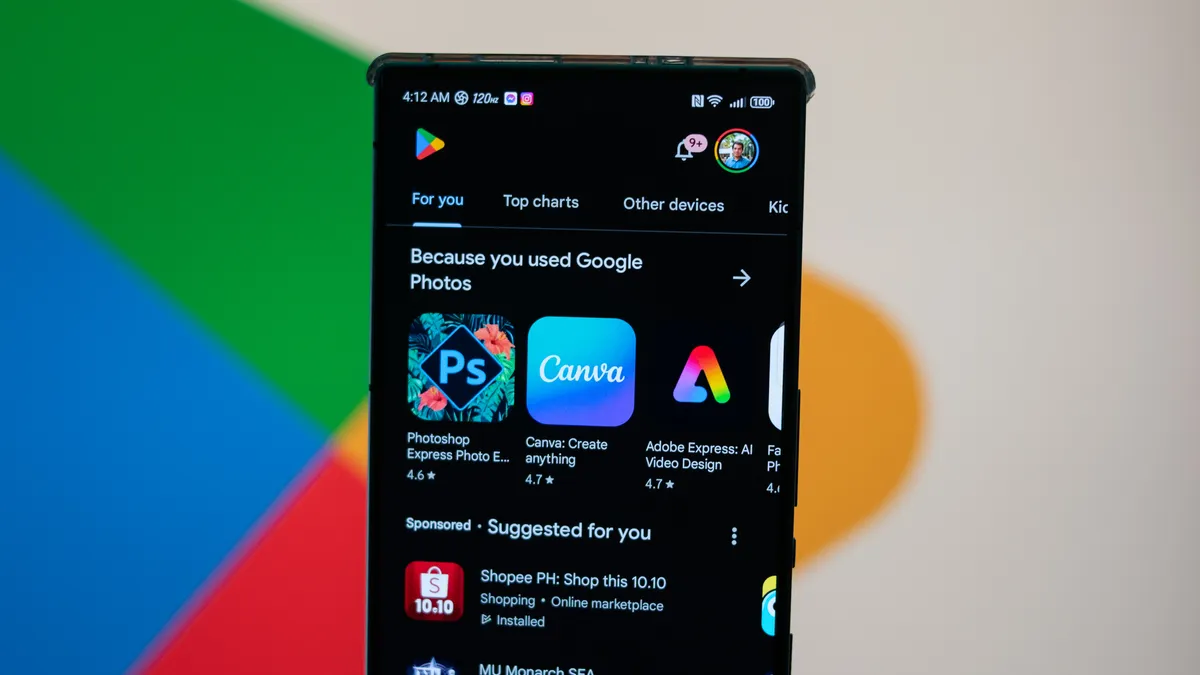
But developers won’t be the only ones feeling the shift. To install unverified apps, you’ll have to take extra steps. You’ll have to authenticate your device and make sure you’re not being forced to change your security settings. After this, restart your phone and wait 24 hours before you can enable unrestricted sideloading.
Google does offer an advanced install option for power users who want to skip verification, but it’s not quite the one-tap experience Android enthusiasts have grown accustomed to.
There are also concessions for smaller developers. Free limited-distribution accounts allow students and hobbyists to share apps with up to 50 authorized devices without having to verify their identity with a government ID or pay registration fees. Google has also added APIs to make it easier for developers with multiple apps to register.
But the bigger question is what this change means for Android’s reputation as an open platform. Google says users can still choose where they download their apps from, but the freedom is made a lot less convenient by adding identity checks, restrictions on installation, and a mandatory waiting period.
After the global rollout, protections are expected to be available to all countries and installation sources over the span of a few months. Google documentation states that full enforcement is expected on March 1, 2027.

