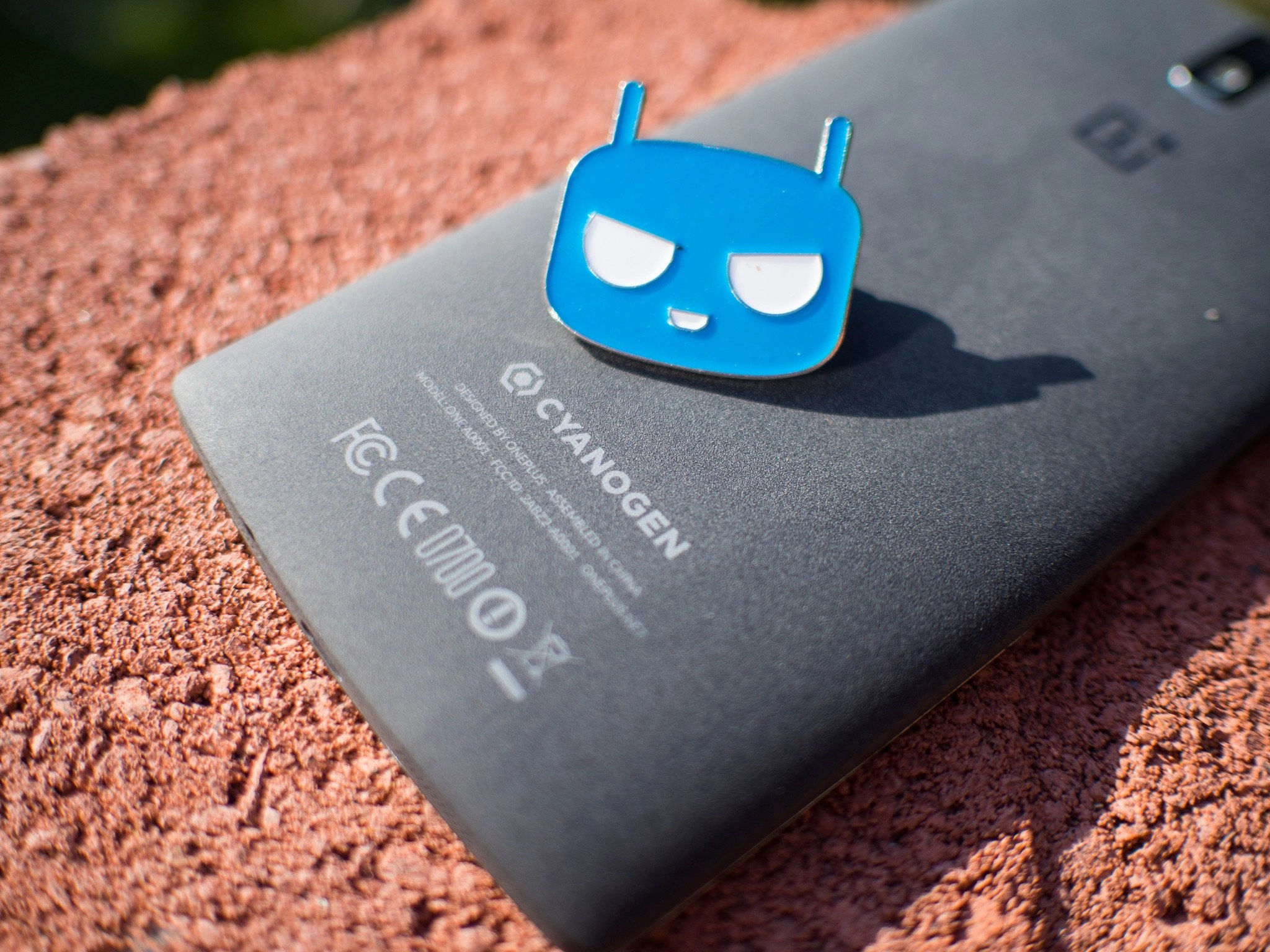
Over the last couple of years, a group of clever software developers have built an empire out of a free alternative to whatever version of Android came included on your phone. Many of those people have come together to form a company, with the goal of taking this free alternative and turning it into a compelling option for hardware manufacturers to put on their retail devices.
We've seen the success Cyanogen Inc. has had so far — with a fair bit of very public conflicts early on — but the origin of this company has everything to do with how this company plans to succeed, and frankly that's a story worth telling.
The early days of Android were all about Google getting their operating system on as many devices as possible. Market share was the most important thing, because more users meant more data points to harvest information from, which in turn meant better information for search and advertising. Unfortunately this caused a lot of problems when it came to holding hardware partners accountable for updating devices after they had been released to stores, and the developer community found new purpose outside of modifying their own devices with new and interesting — not to mention occasionally half-baked — features. Much in the same way that Linux fans would wipe pre-installed Windows from a computer and install an OS of their choosing, developers grouped together to build roms to replace the included version of Android with something else.

This practice grew in popularity for a while, but it wasn't until Google tried to shut things down that people outside of the developer community really started paying attention to what was happening. A Cease and Desist letter was sent to CyanogenMod's Steve Kondik to get him to stop including Google apps in the CM releases.
The news caused explosive growth in the community forums where this development had been taking place, which when coupled with the rapid rate Android's market share continued to grow at meant the team responsible for supporting new and old devices expanded as well. The group grew to include support forums with detailed instructions for unlocking and flashing devices, and new features were being added on an almost weekly basis. At the same time, other development teams started making competing products, often leading to feature races and an increasing focus on presentation and functionality.
The costs associated with maintaining this kind of thing are significant
When you consider this was being done in everyone's free time, the scale of it all was impressive. A server rack set up in a garage worked endlessly to offer nightly builds for dozens of devices, all paid for by the core folks still working day jobs. The costs associated with maintaining this kind of thing are significant, especially when factoring in electricity, bandwidth, and sheer manpower. There had been several attempts to offset these costs, from setting up a virtual server hosting service to asking for donations to do things like replace a server, but these efforts rarely ended in breaking even, much less turning an actual profit.

In August 2011, things changed a bit for the CyanogenMod team. Steve Kondik, the guy largely credited with being responsible for making the explosively popular rom functionally competitive with the "real" versions of Android, was hired by Samsung. For 19 months, it seemed as though progress within CyanogenMod slowed. In reality, the rest of the developer community was just catching up. The code base created by the CyanogenMod team created an environment where just about anyone could bolt their own features onto CM and call it their own project, and community forums became flooded with "new" Android roms for users to flash and try out. The volume of creative people trying to make Android better by implementing their own ideas even now is truly impressive.
CM was already well beyond a modification of the Android Open Source Project
As Kondik tells it, roughly a year after Steve started working for Samsung he received an email from Kirt McMaster about where CyanogenMod could grow from its current position. CM was already well beyond a modification of the Android Open Source Project, and in many ways was more feature complete and functional than the flavors of Android running on flagship devices at the time.
In order to grow in any tangible way, the attention of a proper team of full time developers and folks who actually knew how to organize and manage those people was required. To reach the next step, to be considered a viable flavor of Android to be installed on smartphones and tablets as the default retail offering, every piece of the puzzle would need to grow up and demand to be taken seriously.

Over the next few months, Kondik and McMaster operated behind closed doors to lay the foundation for Cyanogen Inc. This meant securing investors, recruiting developers, and creating a plan for moving forward. In August of 2013, Steve left Samsung and made it clear what he did next would be an something exciting. One month later, he announced his partnerships, investors, and the team he'd recruited to make CyanogenMod something better. With offices in Seattle and Palo Alto, and a handful of other employees scattered throughout the world, Cyanogen Inc started working with their first hardware partner to release a phone running their software.
Google has a laundry list of rules associated with gaining access to these services legitimately
As most Android fans will tell you, one of the things that makes using Google's operating system so enjoyable is the combination of the Google Play Store and Google Play Services. Google has a laundry list of rules associated with gaining access to these services legitimately. For manufacturers to get these features on their phone with Google's blessing, their device needs to pass series of tests called the Compatibility Test Suite. Google's CTS ensures Play Services and the Play Store will function as intended, but passing these tests requires a physical device running a finished version of the operating system.
At the same time, hardware manufacturers and processor manufacturers frequently use proprietary software to make specific parts of their devices function. In order to have hardware partners, which was required to pass Google CTS, Cyanogen Inc would need to come up with a solution that allowed for the simultaneous existence of a community-driven open source project and an operating system that followed the rules companies like Qualcomm set forth in order to use their hardware on retail devices.

The answer to this particular dilemma was Cyanogen OS, first on a special edition of the Oppo N1, the commercial product Cyanogen Inc created to run on retail devices. While much of this version of Android is open source and available through the CyanogenMod community project, Cyanogen OS exists as a retail product that can be used by anyone, regardless of skill level. A consumer-grade operating system to compete with the likes of TouchWiz and Sense UI, complete with opt-in software partnerships built the way the Cyanogen Inc folks think Android should be run. It's an ambitious goal, and the road towards this particular endgame has ruffled more than a few feathers.
You won't get far in a conversation about Cyanogen Inc on the Internet without someone bringing up the CEO of the company and his knack for creating headlines with his aggressive commentary, most of which has proven highly effective in getting the right kind of attention. Kirt McMaster has delivered some great one-liners about taking Android away from Google, and it's easy to read some of these comments out of context and feel like someone is planning to bite the hand the feeds.
The end game for Cyanogen OS is to create that compelling alternative
The bottom line is Android devices only really sell when Google Play Services and the Google Play Store are on board, and a lot of that has to do with there not being a compelling alternative for everything Google offers. The end game for Cyanogen OS is to create that compelling alternative, and offers users a choice between what Google thinks is best and what Cyanogen thinks is best. Only time will tell if this is the right way to go, but it's something this team seems dedicated to delivering.
So there you have it. The origin of Cyanogen OS goes almost as far back as Android itself, forged by folks who love taking something they bought and making it better themselves, and growing that passion into a unique flavor of Android. Even if this isn't your preferred way to Android, the road so far for this team is a fascinating one, and it's clear this coming year is going to be a pivotal one for this company.

